
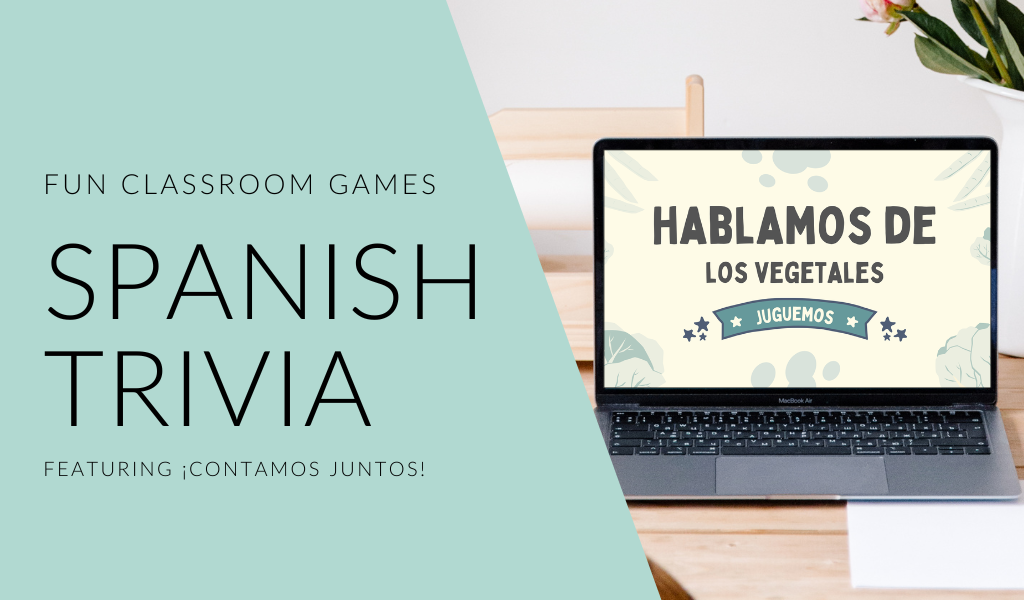
Classroom games are the heartbeat of an engaging and interactive language learning environment, especially when it comes to mastering a second language like Spanish. Whole-class activities, such as trivia or counting games, offer students the opportunity to practice vocabulary, reinforce sentence structure, and immerse themselves in the language. Today, we’re diving into a particularly fun resource, ¡Contamos Juntos! Spanish Counting & Vegetables Game, that combines two essential elements: counting and vegetables vocabulary! 🎉 Let’s explore how this activity can be a game-changer for your classroom, with fun variations and classroom management tips to ensure smooth sailing.
Why Whole-Class Games Matter for Language Learning
Whole-class games are more than just fun; they’re an essential part of language acquisition. Here’s why:
Get Your Resource: ¡Contamos Juntos! Spanish Counting & Vegetables Game
3 Fun Variations of the ¡Contamos Juntos! Spanish Counting & Vegetables Game 🎲
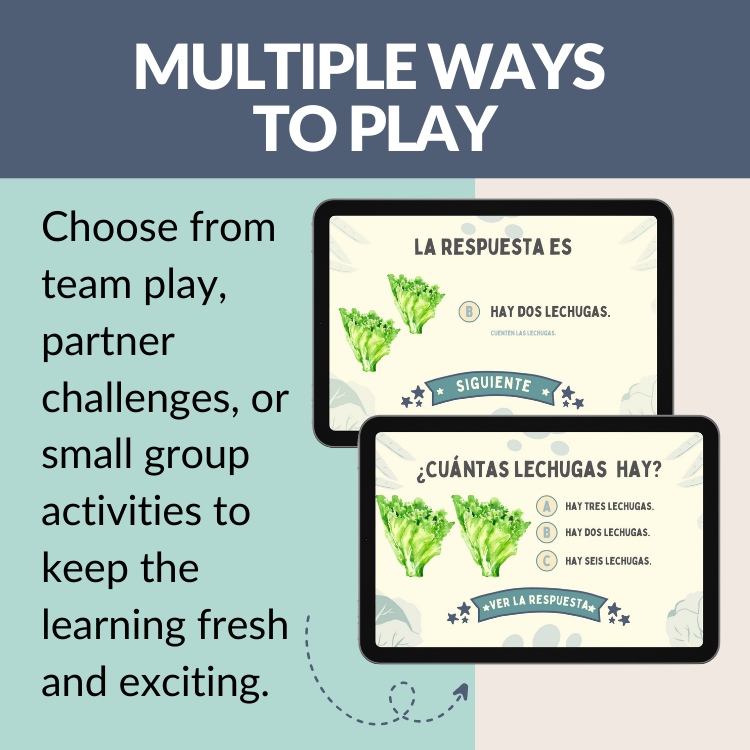
This game combines vocabulary practice for numbers and vegetables, and there are endless ways to mix it up! Here are three exciting variations to keep your students on their toes:
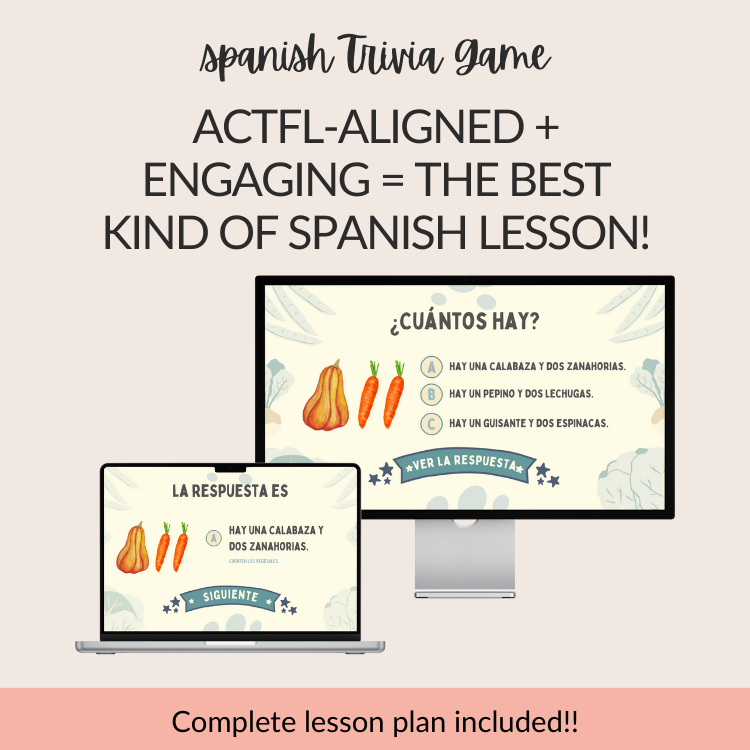
- Vegetable Trivia Showdown: Divide the class into two teams. Ask questions about the vegetables or numbers in Spanish (e.g., “¿Cuántas zanahorias hay?”). The first team to answer correctly gets a point. You can increase difficulty by asking them to say full sentences like “Hay tres zanahorias.” It’s a fun, competitive way to get the class buzzing!
- Counting Relay Race: Set up the classroom with flashcards or props representing vegetables. Each student takes turns running to the board to grab the correct number of vegetables when you call out the number in Spanish. For example, “¡Necesito cinco tomates!” The student races to collect the items and count them out loud in front of the class.
- Silent Vegetable Charades: Students take turns acting out a vegetable from the game while the rest of the class guesses what it is in Spanish. This variation combines movement with vocabulary recall and is perfect for students who learn best through kinesthetic activities.
New Classroom Management Strategies for Interactive Games
Let’s face it: with the excitement of games comes the challenge of keeping students on track. Here are some fresh strategies to ensure your games run smoothly:
- Set Clear Rules: Before you start, clearly explain the rules of the game. Make sure students know the expectations for participation and behavior. For instance, “Raise your hand to answer” or “Stay seated until it’s your turn” keeps things orderly.
- Time Limits: Use timers for each turn or round to keep the pace of the game moving quickly. This helps prevent students from getting distracted or losing focus. Plus, it adds a layer of excitement!
- Positive Reinforcement: Reward good behavior and active participation with points, stickers, or other small rewards. A little recognition goes a long way in encouraging students to stay engaged.
- Partner Pairing: For some games, pair students with a partner to help them feel more confident. This can reduce anxiety for students who are shy or less confident in their Spanish skills.
- Quiet Cues: If the room starts getting too loud, implement a fun cue to regain attention—like clapping a rhythm or saying “¡Silencio!” to which students must respond. This helps keep energy high but chaos low!

Introducing ¡Contamos Juntos! Spanish Counting & Vegetables Game 🥕🥔
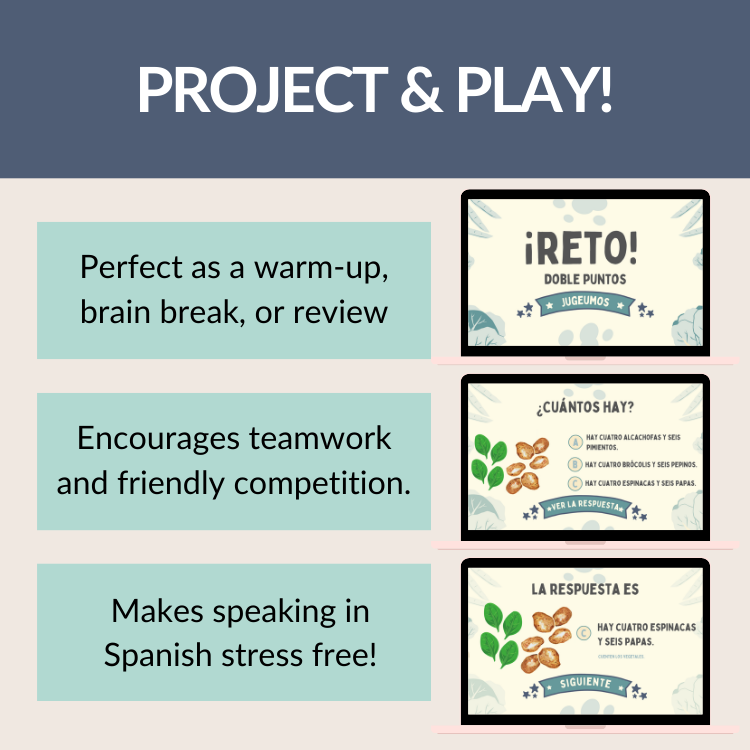
This resource brings the fun of trivia and classroom games into your language lessons, specifically focusing on numbers and vegetables. Here’s what’s included:
- Full Lesson Plan: Everything you need to seamlessly incorporate this into your lesson. No prep required!
- Teacher Instructions: Step-by-step guidance on how to use the materials effectively in your classroom.
- A digital presentation for projecting vocabulary images and questions.
- Mini whiteboard activity instructions for both teams and pairs.
3 Unique Ways to Use ¡Contamos Juntos! in Your Classroom
- Warm-Up Activity: Start your lesson with a quick round of the game to get students thinking in Spanish right away. It’s a great way to activate prior knowledge and get them in the zone for learning.
- Brain Break: Use the game as a mid-lesson break to re-energize the class and give them a chance to move around while still practicing vocabulary.
- Formative Assessment: Use the game as a fun way to assess students’ understanding of both numbers and vegetable vocabulary. Monitor who’s answering correctly and who might need a little extra help.
The Gist of it All
Classroom games like ¡Contamos Juntos! are the perfect way to reinforce vocabulary, encourage participation, and create a lively learning environment. Whether you’re using trivia, relay races, or charades, these activities keep your students engaged and excited about learning Spanish. Plus, with a full lesson plan and materials included, you’ll have everything you need to turn your class into a Spanish-speaking vegetable trivia showdown in no time!
Want to make a whole unit out of it? Check out these additional resources now available on the Joyful Journeys in Language Learning TPT store!